
What's Acute Bronchiolitis?
페이지 정보
작성자 Magnolia 작성일 26-05-16 16:29 조회 6 댓글 0본문
Choosing between saline nasal spray, drops, and rinses relies upon largely on the symptom sample and the user’s wants. For allergy sufferers, regular isotonic saline sprays or rinses can cut back allergen concentrations in the nasal passages, usually together with other allergy therapies. Drops and sprays have low threat of complications when used as directed, although pressurized sprays might be too forceful for infants and hypertonic options can cause stinging. Treatment with nebulised hypertonic saline can also reduce the chance of hospitalisation by 13% amongst youngsters treated as outpatients or in the emergency department. Nebulised hypertonic saline could cut back hospital stay by 9.6 hours in comparison to regular saline or customary treatment for infants admitted with acute bronchiolitis. Nebulised hypertonic saline might cut back hospital keep by 9.6 hours in comparison to regular saline or standard therapy for infants admitted with acute bronchiolitis. Compared to nebulised regular saline, nebulised hypertonic saline could scale back hospital stay by virtually 10 hours for infants admitted with acute bronchiolitis; could improve 'clinical severity scores', which are utilized by doctors to evaluate disease severity; and may cut back the risk of hospitalisation by 13% amongst children handled as outpatients or within the emergency department. Hospitalised infants handled with nebulised hypertonic saline may have a shorter mean size of hospital stay compared to those treated with nebulised regular (0.9%) saline or commonplace care (mean distinction (MD) −0.Forty days, 95% confidence interval (CI) −0.Sixty nine to −0.11; 21 trials, what is hypertonic saline 2479 infants; low-certainty proof).
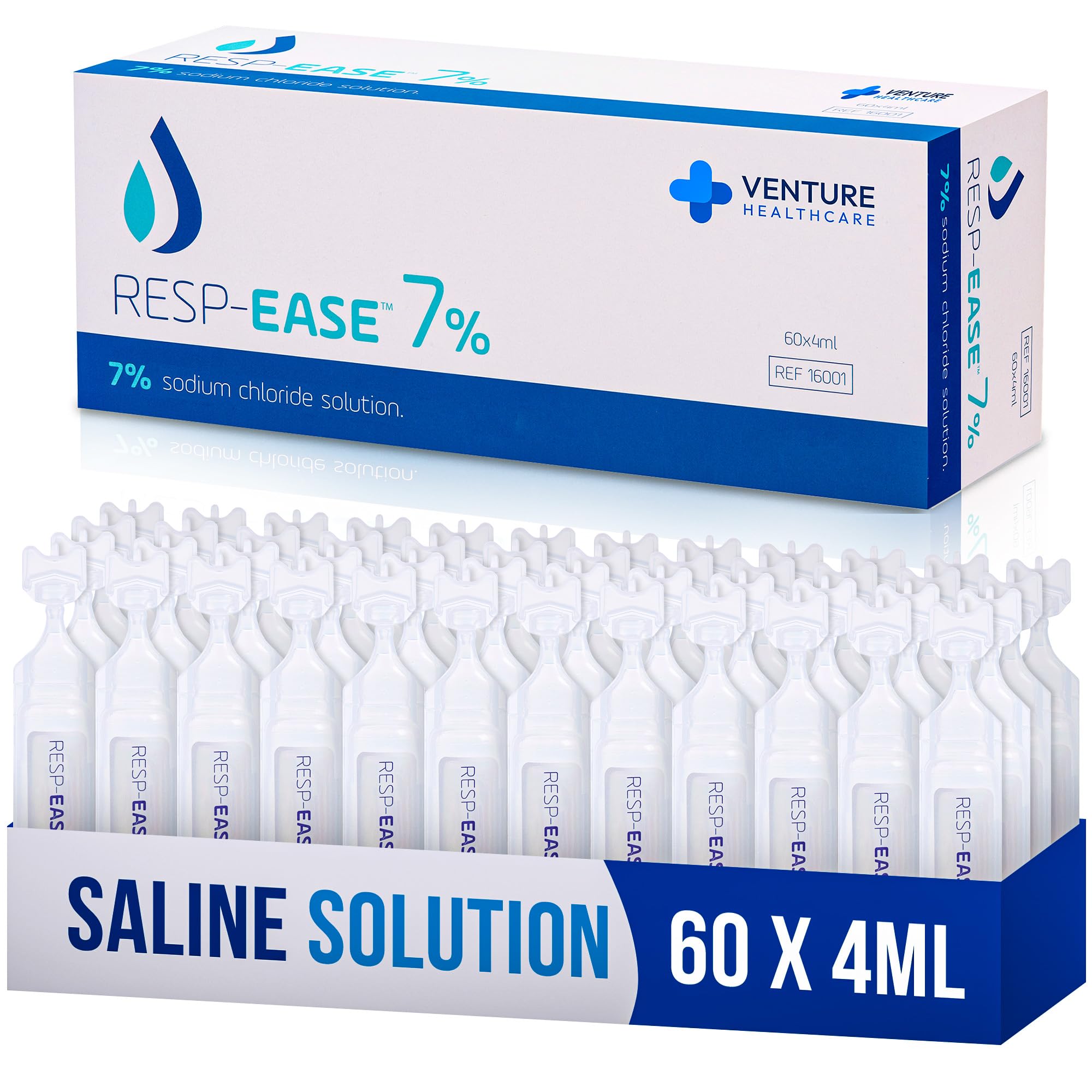 Drops for infants are sometimes bought in single-use vials to cut back contamination danger and could also be barely costlier per dose. For travelers or these with restricted access to sterile water, packaged single-use vials or commercially ready options reduce contamination risks. Saline sprays are sometimes advisable for brief-term relief of mild congestion or for regular moisturizing throughout dry seasons; their comfort and portability make them a standard alternative for commuters and travelers. This text compares drops, sprays, and rinses in practical terms, clarifies common uses, and highlights safety considerations to help readers make knowledgeable choices without substituting professional medical assessment. Hypertonic saline (a robust, or highly concentrated, sterile salt water resolution) breathed in as a fine mist utilizing a nebuliser might assist relieve wheezing and respiratory issue. Isotonic options (roughly the identical salt concentration as bodily tissues) are gentle for daily upkeep, whereas hypertonic options (higher salt focus) can draw out fluid and scale back swelling but may be extra irritating, significantly for delicate users. Commercial isotonic nasal sprays are sometimes ready-to-use, low-value, and handy, while specialized hypertonic sprays or buffered preparations could be pricier but may supply added decongestant impact. We carried out random-results mannequin meta-analyses utilizing Review Manager 5. We used mean difference (MD), danger ratio (RR), and their 95% confidence intervals (CI) as impact size metrics.
Treatment with nebulised hypertonic saline may also cut back the risk of hospitalisation by 13% amongst youngsters treated as outpatients or in the emergency department. However, hypertonic saline might not cut back the chance of readmission to hospital after discharge. However, persistent fever, extreme facial ache, or signs lasting beyond a typical course of viral illness warrant medical evaluation reasonably than relying solely on saline strategies. Seek medical attention if nasal signs are extreme, accompanied by fever, or persist past a typical viral course; recurring sinus infections, worsening facial pain, or blood in nasal discharge also benefit clinical evaluation. We discovered only minor and spontaneously resolved antagonistic occasions (akin to worsening cough, agitation, bronchospasm, bradycardia, desaturation, vomiting and diarrhoea) from using nebulised hypertonic saline when given with treatment to loosen up airways (bronchodilators). We found only minor and spontaneously resolved adversarial events (akin to worsening cough, agitation, bronchospasm, bradycardia, desaturation, vomiting and diarrhoea) from using nebulised hypertonic saline when given with bronchodilators. Nebulised hypertonic saline appears to be a protected therapy in infants with bronchiolitis with solely minor and spontaneously resolved antagonistic events, especially when administered in conjunction with a bronchodilator. We needed to find out if hypertonic saline resolution via nebuliser is more practical and safe for the remedy of infants with acute bronchiolitis in comparison with regular saline solution.
Clinical severity scores of infants improved barely when administered nebulised hypertonic saline in comparison with regular saline. Nebulised hypertonic saline may reduce the chance of hospitalisation by 13% in contrast with nebulised normal saline amongst infants who had been outpatients and those treated in the ED (danger ratio (RR) 0.87, 95% CI 0.78 to 0.97; 8 trials, 1760 infants; low-certainty evidence). We're unsure whether infants who received hypertonic saline have a lower number of days to resolution of wheezing in comparison with those who acquired regular saline (MD −1.16 days, 95% CI −1.Forty three to −0.89; 2 trials, 205 infants; very low-certainty proof), cough (MD −0.87 days, 95% CI −1.31 to −0.44; Three trials, 363 infants; very low-certainty proof), and pulmonary moist crackles (MD −1.30 days, 95% CI −2.28 to −0.32; 2 trials, 205 infants; very low-certainty proof). Acute bronchiolitis is the most typical decrease respiratory tract infection in youngsters aged up to two years.
댓글목록 0
등록된 댓글이 없습니다.