
Common Myths About Roof Replacement Debunked
페이지 정보

본문
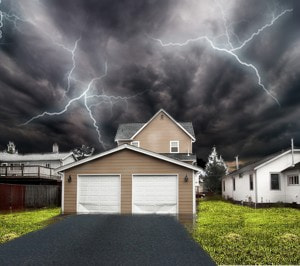
Many homeowners believe misconceptions when it comes to replacing their roof. These erroneous ideas can lead to costly mistakes, financial strain, or even damage to the home. Let’s clear up some of the most common myths about roof replacement.
One common misconception is that you can apply a second layer over the old ones to cut costs. While this might seem like a quick fix, it’s not always legally permitted. Adding a second layer can hide underlying damage. It also imposes strain on your roof structure, which could cause long-term structural issues over time. Most building codes allow only two maximum layers, and many professionals recommend a full tear off to ensure a reliable and professionally done roof.
Another myth is that a new roof will last a lifetime. No roof is indestructible. Even the premium roofing products have a expected duration. Asphalt shingles typically last two to three decades, metal roofs can last four to seven decades, and tile or slate may last 70+ years. Regular professional assessments are still crucial to maximize longevity of your roof, no matter what material you choose.
Some people think that if their roof appears dry, it is fine as is. But leaks are often the last sign of trouble. Damage can start with granule loss, lifting edges, or cracked vent boots long before water makes its way inside. By the time you see a leak, the problem may already be serious and expensive to fix. A licensed assessment can spot developing problems before they become major failures.
There’s also a belief that all roofers provide equal service. This couldn’t be more false. Experience, licensing, insurance, and customer service vary dramatically. Choosing the cheapest bid may lead to poor workmanship, surprise costs, or voided guarantees. Always check reviews, contact prior customers, and double-check their state licensing and insurance status in your area.
Lastly, many assume that roof replacement is beyond affordability. While it is a substantial expense, there are financing options, seasonal discounts, and hail damage reimbursement that can help lower your out-of-pocket expense. If your roof was damaged by natural elements, your home insurance plan may cover part or all of the replacement. Don’t assume you can’t afford it without consulting your insurer.
Replacing your roof is a essential home upgrade, but it doesn’t have to be overwhelming. By getting accurate information and hiring experienced experts, you can make a strategic, confident selection that ensures long-term security for the long haul.
- 이전글Why Roof Inspections Are Non-Negotiable in Home Transactions 26.03.18
- 다음글Proven Tips to Make Your Shingles Last Longer 26.03.18
댓글목록
등록된 댓글이 없습니다.