
Addressing Odor in Recycled Polymers
페이지 정보

본문
Recycled polymer products are an essential part of sustainable manufacturing, helping to reduce plastic waste and lower carbon footprints. However, one common challenge that manufacturers and consumers face is the unwanted smells in these materials. Unlike original-grade resins, recycled plastics often carry trace aromas from their original applications, chemical stabilizers, or foreign substances introduced during sorting. These odors can range from slight dampness to harsh synthetic or food-related scents, making the products problematic for sensitive markets in edible product containers, everyday plastic products, or indoor environments.
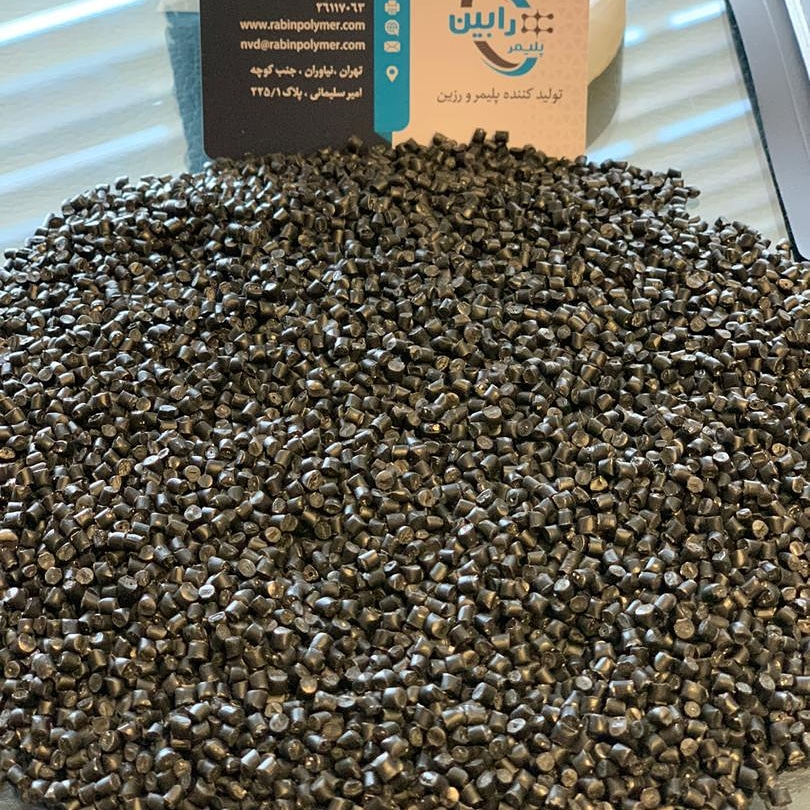
The root causes of odor in post-consumer resins are varied. One major source is the buildup of biological contaminants—such as leftover scraps, lipids, or detergents—that were inadequately washed out during the reprocessing cycle. Another contributor is thermal degradation, which occurs when the plastic is cycled through extrusion processes. Excessive thermal exposure can break down polymer chains and release volatile organic compounds that produce noticeable smells. Additionally, cross-contamination with other resins or nonplastic materials like stickers, تولید کننده گرانول بازیافتی adhesives, or colorants can introduce foreign chemicals that off-gas during processing or storage.
Addressing these issues requires a multi-step approach. First, enhancing pre-processing purification at plastic processing plants is essential. Advanced optical sorting technologies and intensive rinsing units can reduce residual pollutants before pelletization. Second, refining thermal processing parameters—such as minimizing thermal exposure, shortening dwell time, and using vacuum degassing systems—can prevent polymer degradation and allow volatile compounds to escape before the material is formed into final products.
Some manufacturers are also exploring secondary odor-reduction methods like aroma suppression. This can involve passing flakes through carbon beds, ozone treatment, or steam purification to absorb or break down odor-causing molecules. In certain cases, adding small amounts of odor-absorbing additives during compounding can help neutralize unpleasant odors without compromising mechanical properties.
User understanding also plays a key part. Many people believe that any odor from recycled plastic means it is unsafe. In reality, a scent does not imply danger or functionality. Transparent messaging about the recycling process and the measures implemented for safety can help foster confidence and overcome prejudice.
Ultimately, solving odor issues in reprocessed plastics is not just about improving sensory appeal—it's about increasing market acceptance and accelerating deployment of green polymers. By investing in better technology, optimizing manufacturing workflows, and providing clear product information, the industry can turn a persistent challenge into an opportunity for innovation and ecological improvement.
- 이전글Ufabet: Enjoy Thrilling Casino Site Games in Thailand 25.12.22
- 다음글Play m98 Gambling enterprise Online in Thailand 25.12.22
댓글목록
등록된 댓글이 없습니다.